If you have any questions about our product, I’d be happy to chat!

Enterprise SaaS sales are complex and challenging to people venturing into the industry. The process is usually long, needing negotiations at different stages with multiple decision-makers. It poses exciting challenges and rewards that sales professionals typically enjoy.
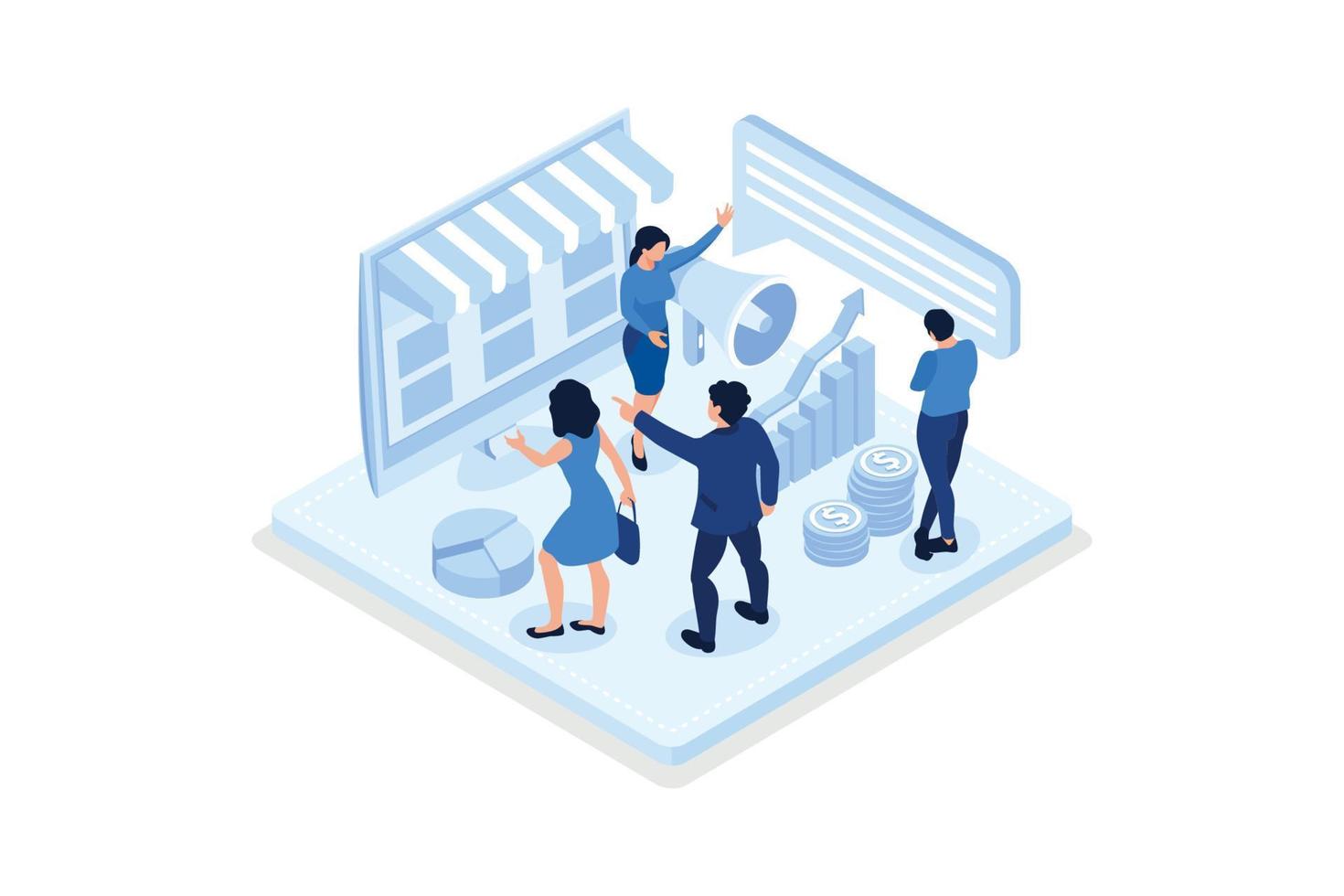
Enterprise SaaS sales involve selling software as a service tool to large organizations. Enterprise SaaS tools require tailored onboarding and customization since the entire organization or department will use them.
When compared to SaaS B2C or sales to small businesses, enterprise SaaS sales involve a different process. A typical enterprise sales process may require multiple decision-makers. As such, it may take more extended periods, lasting several weeks or months.
Sometimes, a deal can fail to go through. That means enterprise sales representatives don’t get returns on their work for weeks or even months.
Enterprise SaaS sales can close a lucrative deal, with clients paying for annual or multi-year subscriptions.
Enterprise SaaS Sale
SMB / B2C SaaS Sale
Because enterprise SaaS sales involve lucrative contracts, many stakeholders get involved to ensure everything goes well. A salesperson must strategize to ensure smooth navigation through the sales cycle.
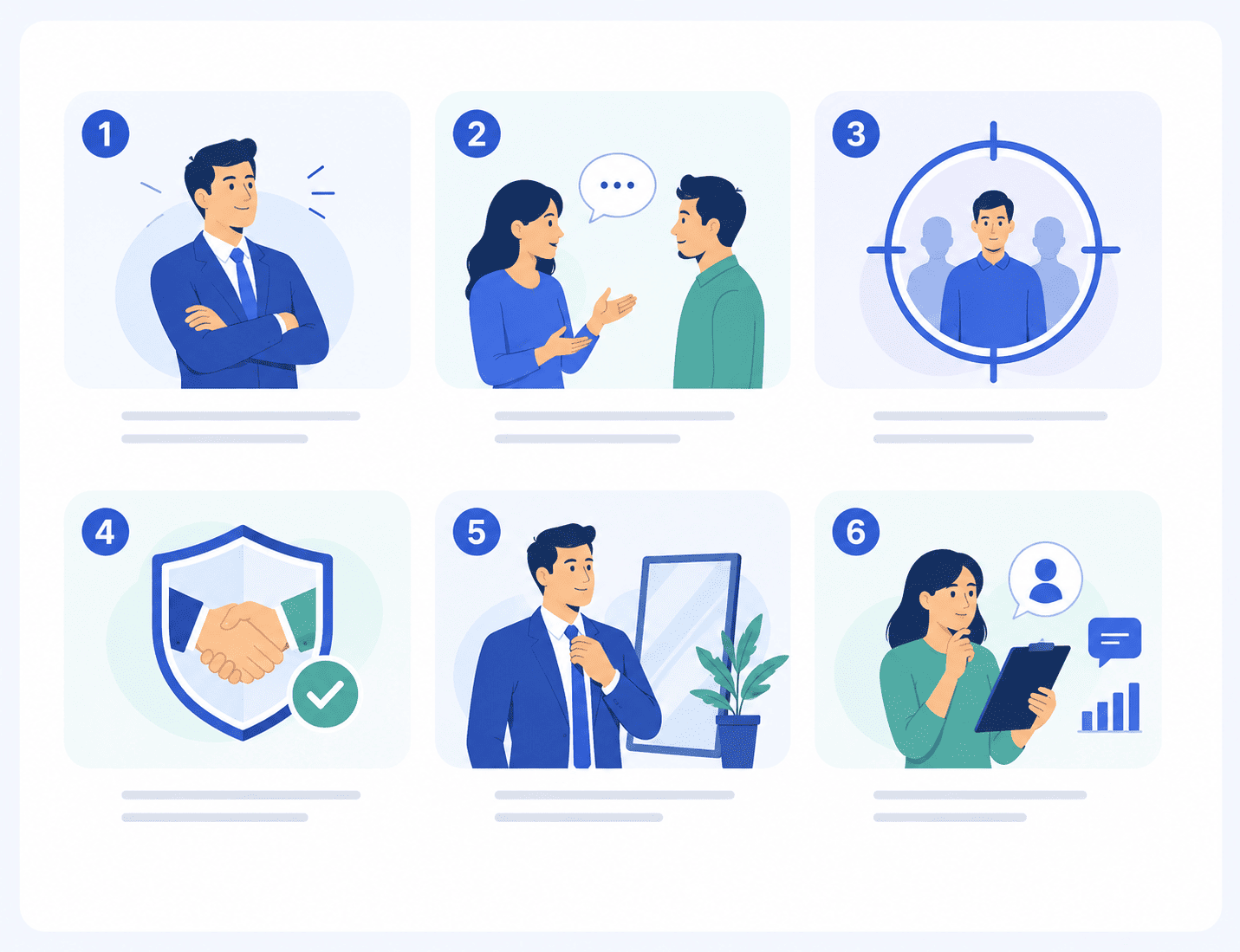
Here are some tips to follow:
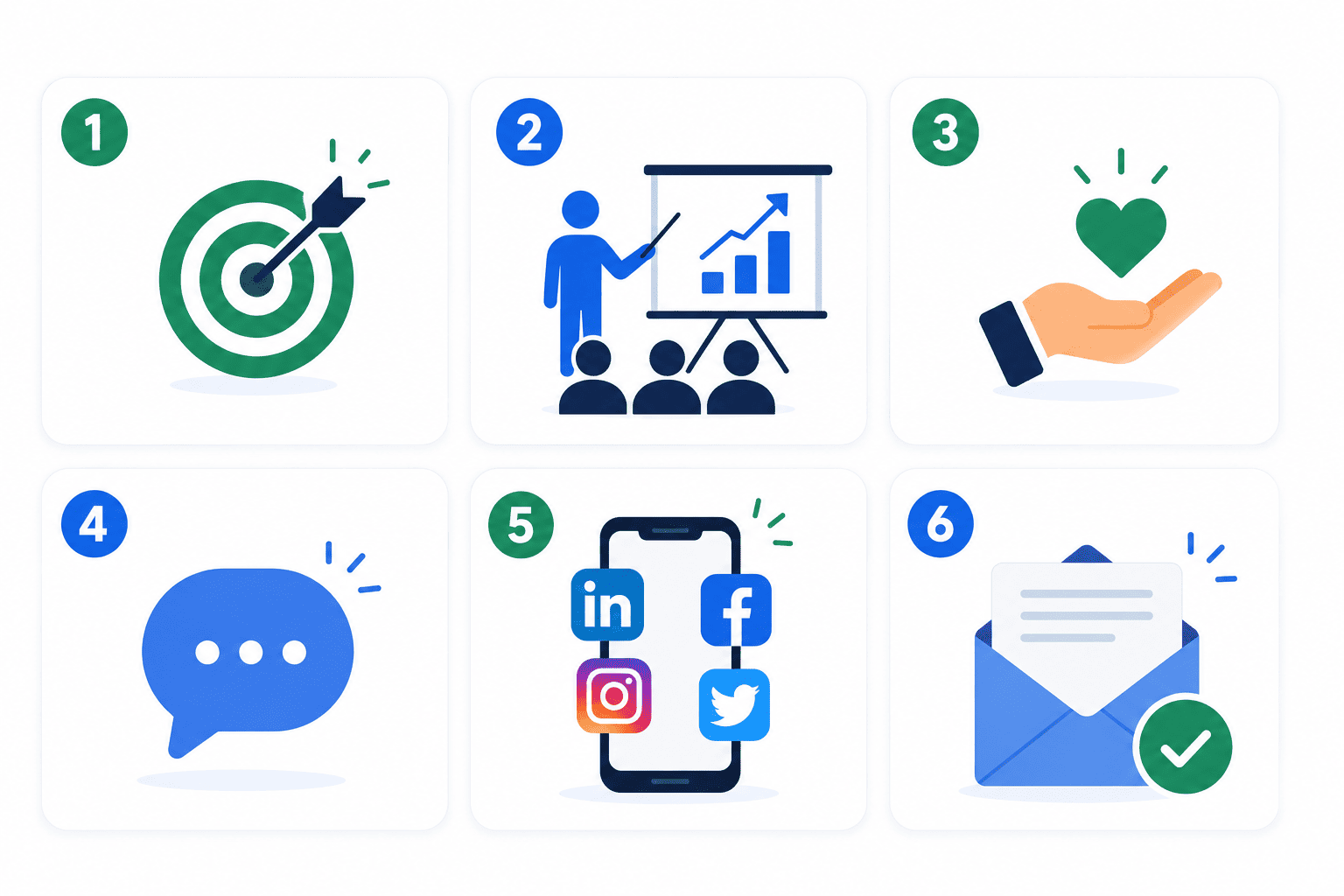
It is good to know every detail about your product, its industry, and niche. Having enough information will enable you to respond to any questions the buyer may raise. You want to show them that you understand what you do and can solve their problem.
You must show the potential buyer you are interested in making the deal happen. The process involves conducting in-depth research about the client and their needs.
Send them alerts about new developments or any other news about your SaaS tools. You can ask them questions to better understand their needs.
The decision-making process involves various stakeholders. Understand the enterprise hierarchy and identify:
Networking establishes solid relationships. Engage with prospects through social media, conferences, and events.
Face-to-face interactions build stronger trust. You can also schedule casual meetings like coffee or lunch.
Encourage existing users to leave reviews to influence prospects.
Ensure internal communication is aligned so your team avoids duplicate outreach.
Depending on your niche, choose the right sales methodology:
Design your strategy based on your team and industry.
Typical sales steps include:
Continuously review and optimize your process. Use tools to gain data-driven insights.
Ensure demos provide value and are tailored to the prospect’s needs.
A CRM helps manage long and complex sales cycles.
It enables you to:
Enterprise SaaS sales cycles can take six months or more.
Tips:
Enterprise solutions are complex due to scale, integrations, and customization needs.
Provide proper training and resources to your team.
Buyers often know what they need.
Your job is to exceed expectations and identify additional opportunities.
Multiple approvals extend timelines.
Use CRM tools to track progress and maintain continuity.
Committees may include many stakeholders.
Understand roles and tailor communication accordingly.
Not all leads are ready to buy.
Use structured qualification processes to identify high-quality leads.
Create valuable content for each stage:
Nurture leads even if they’re not ready.
Use follow-ups and lead scoring.
Align your sales team and communication.
Use tools to track conversations and progress.
Enterprise software is used by large organizations and requires heavy customization.
SaaS software typically solves standardized problems with minimal customization.
It helps manage the entire sales lifecycle from prospecting to closing.
Key functions:
Once you understand the process, you can plan effectively, identify quality leads, and manage long sales cycles. Stay consistent and leverage tools to improve outcomes.
FAQS
Averagely, enterprise software sales make $110,265 annually in the United States. Additional pay can add up to $79,181.
Reaching out to enterprise clients requires a strategy. Know what the enterprise needs and create a tailored solution to address the problems. You can work with enterprise sales software to manage the entire process.
SaaS enterprise sales need a combination of various skills to reach out to prospects and move through the sales cycle. Essential skills include
Communication
Negotiation
Data mastering
Networking, and
Research skills
Actionable insights, strategies, and updates to help B2B businesses grow through SEO and performance marketing.




We’d love to hear from you. Fill out the form and let’s start building something amazing together.


 Sales
Sales