If you have any questions about our product, I’d be happy to chat!

Developing Your SaaS Marketing Strategy is the most crucial part of your SaaS marketing plan, significantly influencing the success of your lead generation campaign. As a tech startup, you need the best strategy to reach out to your clients. The correct B2B SaaS inbound marketing strategy will help impress your clients and achieve your organization’s goals.
Inbound marketing is the marketing technique of drawing customers to your business through content and advertising. It is an excellent way to attract and retain customers.
Many SaaS companies prefer inbound marketing because it yields more leads. Outbound marketing for SaaS generates leads, but SaaS inbound marketing provides 54% more leads. You can use both strategies to ensure your marketing covers almost every potential customer.
When generating inbound marketing content for your SaaS company, ensure that you understand your audience and the content they can interact with.
Optimizing your content is essential to ensure that potential buyers can go down the marketing funnel as far as possible.
SaaS companies sell software to other businesses. Thus, an inbound marketing strategy for a SaaS B2B company should aim to create long-lasting relationships for the clients to keep renewing their subscriptions.
Inbound marketing is about understanding your audience and using analytics tools like Google Analytics. You get to know where users are coming from and their level of engagement. Some benefits of B2B SaaS inbound marketing include:
B2B inbound marketing for SaaS companies relies on content marketing for its success – your content marketing efforts must be practical.
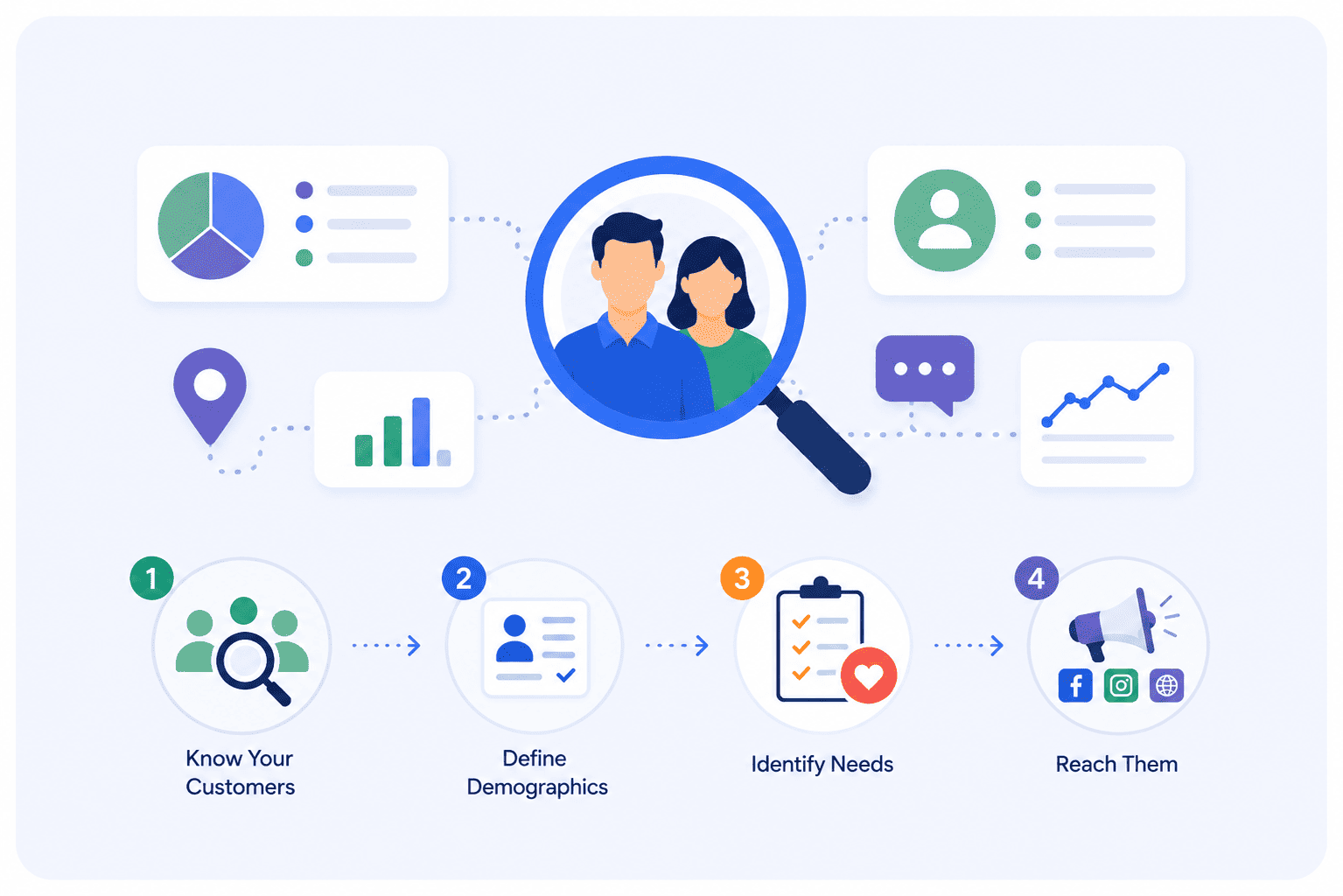
Effective marketing depends on how well you understand your audience. Every SaaS B2B marketer has to understand their ideal customer and define all their characteristics. That’s how you can build a tailor-made solution that addresses their problems.
By defining your ideal customer, you build a buyer persona. Some characteristics to determine about the inbound marketing buyer persona for your SaaS business include:
Since SaaS products are designed for specific professions, it is good to know the key decision maker’s level of understanding of the profession. This mainly relies on the size of the organization.
For instance, if your company makes accounting software for small and medium-sized companies, the key decision maker may be a business owner who doesn’t know a lot about accounting. However, if the software is for a Fortune 500 company, the key decision maker may be the chief accountant with vast experience in accounting practices and software.
This means you’ll need different types of content to address different buyer personas. Ensure you describe your buyer persona comprehensively. It will help to understand the depth of content to use when handling them and the topics to cover
You will also need to understand the platforms where your ideal buyer will most likely be found. That will help decide whether to do videos, blog posts, white papers, or social media content.
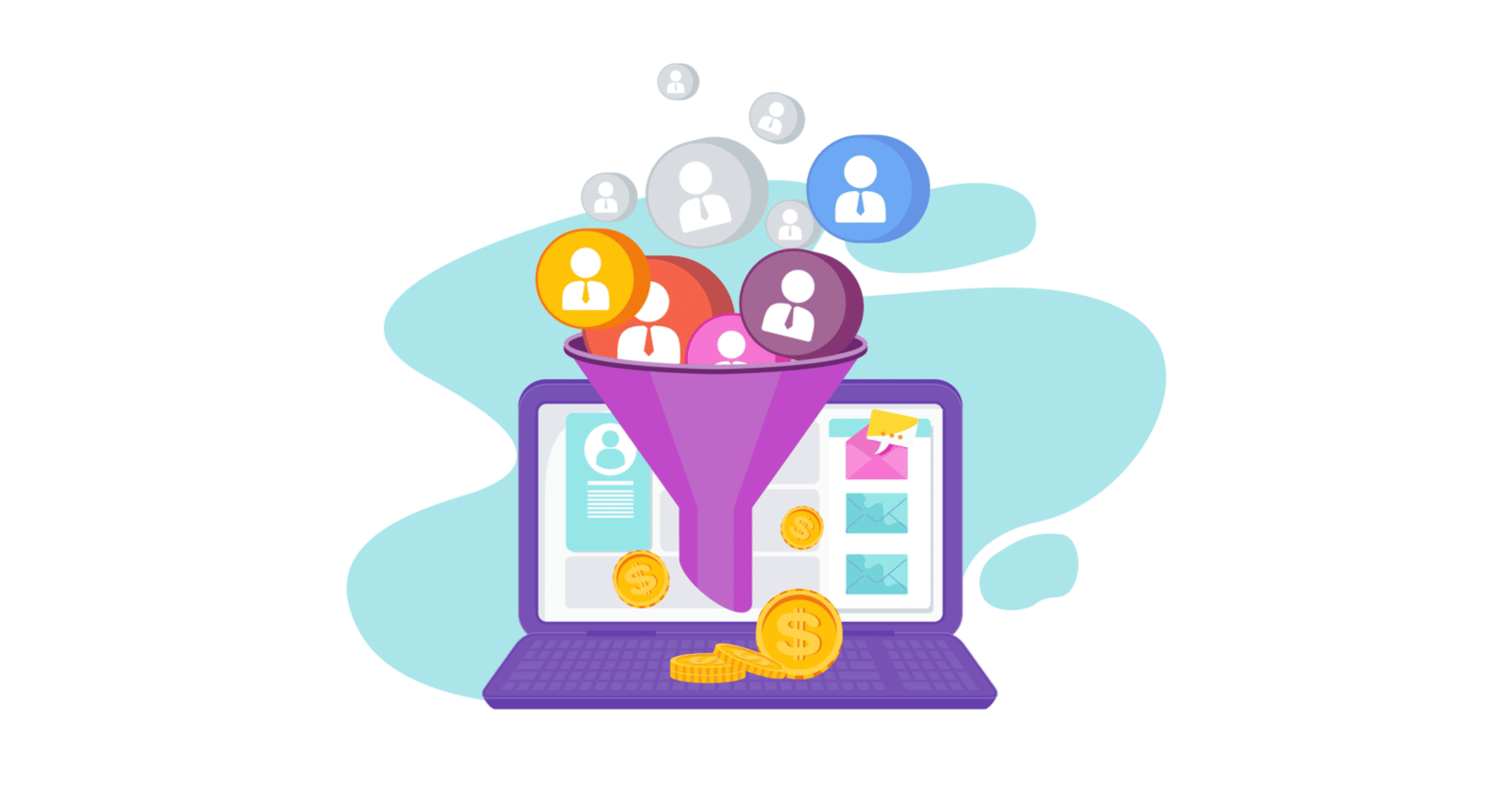
The inbound marketing sales funnel for SaaS companies is divided into three levels:
TOFU is typically where many leads arrive at your website, seeking solutions to their problems. Many visitors understand they have a problem and are researching options to solve it. Therefore, you should give them an excellent first impression to win them over.
The best approach is to educate leads at this point. Don’t attempt to hard sell your products to them. Provide content to show them how your product solves their problems and any other benefit they will get by choosing your product. Aim to build trust rather than sell the product.
Be sure to qualify and disqualify leads. It will allow you to focus on those with a higher chance of becoming customers.
The content type includes:
At this point, you have disqualified a significant amount of leads. The leads that reach this stage are those that understand they have a clearly defined problem. You are still building trust, so don’t be aggressive in trying to sell your product.
Nurture every lead in this stage until they are ready to move from MOFU to BOFU. You can offer various content pieces, including:
The leads at this stage have done their research, identified their solution, and have several SaaS companies they are comparing. They have information about your brand, what you do, and the answer you provide to their problems. They have the same information about other B2B SaaS companies.
These are highly qualified leads, ready to make a purchase. However, you don’t want come at them attempting to sell hard. You can take a different approach, showing them how valuable your software can be to them. Some methods to use in your inbound SaaS marketing strategy at this stage include:
When designing an inbound marketing strategy for your B2B SaaS company, consider the following tips:
Let’s look at them individually:
Since the top of the funnel is the beginning of your SaaS company’s inbound marketing buyer journey, you want to ensure that you keep them engaged on your site. Doing this requires a well-designed search engine optimization (SEO) strategy to provide information that builds trust with your potential customers.
Because these people don’t know much about your company or product, you want to provide valuable information that will make them remember your brand. If they can identify that your content provides solutions to their problems, they will check out your company.
Develop content while targeting the correct search queries. Your content needs to be specific and valuable, and you should aim to rank highly on the search engine results page (SERP). Customers believe your content has to be good to rank highly in the SERPs.
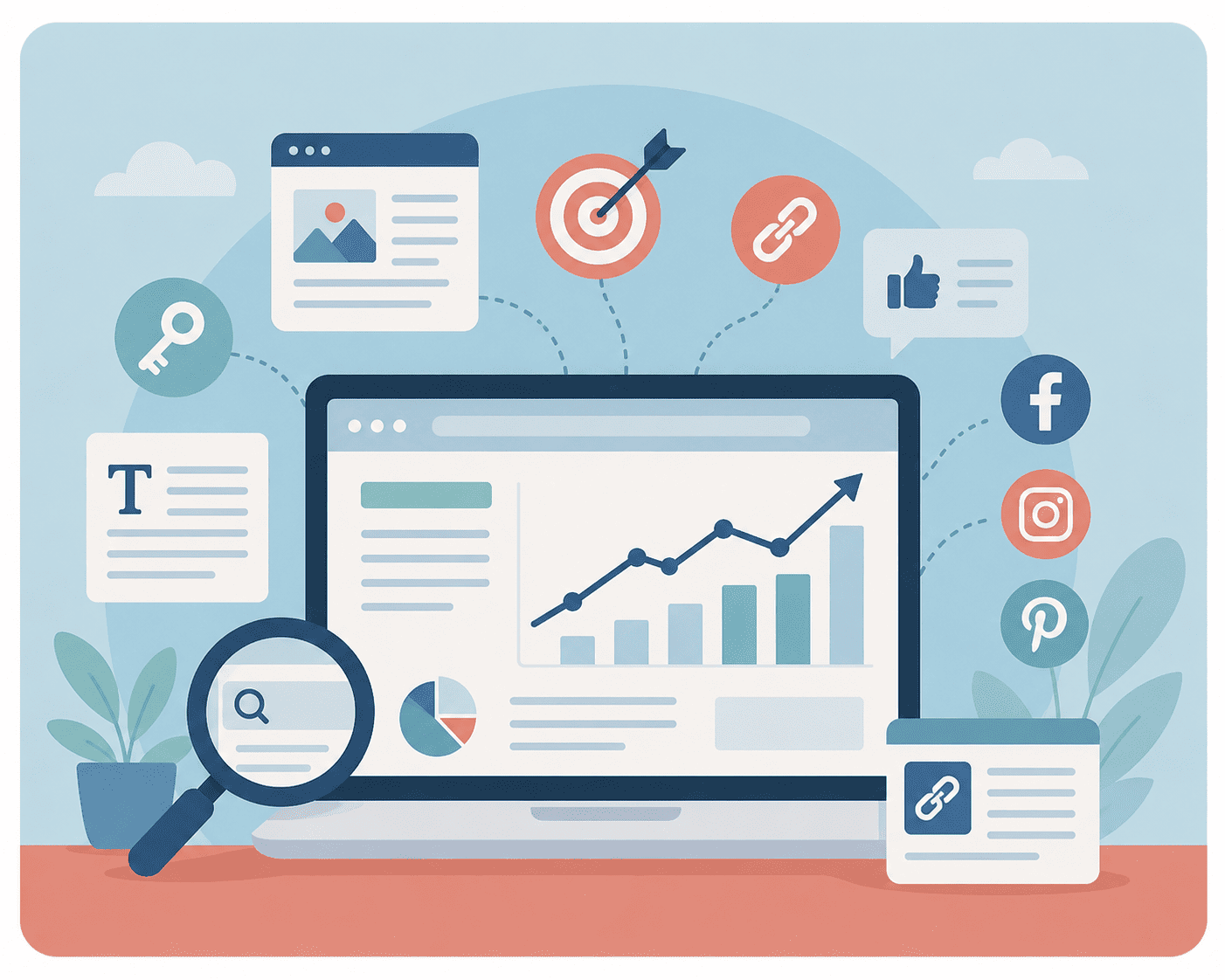
SEO gives you a chance to turn strangers into prospects, and you can do it by:
SEO is one of the most effective inbound marketing strategies for SaaS companies since it provides content that your audience wants. You use keywords and phrases used in the industry, providing valuable content.
A pillar page is your most important piece of content because it’s where everything else builds off, enabling you to provide articles on various related topics. It consists of one crucial issue branching to produce minor, specific cases.
A pillar page enables you to organize the content on your website, making it easier to navigate. You can link between articles, allowing visitors to learn more about your products. With this, you build trust and set yourself up as a leader in your field. They’ll stay on your website for longer, providing a greater chance of moving further down your SaaS inbound marketing sales funnel.
Featured snippets are the first result that pops up when someone searches for a keyword on Google. When you have a featured snippet in your SaaS inbound marketing strategy, you can show up at the top of search results and steal some of that traffic away from your competitors.
Featured snippets can take three forms:
This tactic requires proper planning because you must conduct thorough research and understand possible search questions. You can even check out the featured snippets your competitors rank for and look to build from them. Place the answer at the top of your blog post.
Including long-tail keywords in B2B inbound marketing for SaaS companies allow you to rank for more specific searches. Long-tail keywords include more than four words. You will experience lower traffic volumes due to the particular long-tail keywords, but they have a higher chance of a conversion.
A typical long-tail keywords search includes “how to do…” or “the type of x to use…”
By targeting long-tail keywords, you will also be targeting short keywords. As you provide helpful content to your audience, they will begin to trust you. In this way, you are helping to establish a long-term relationship.
Educating your audience helps them get to know you better and also help them understand why they need to use your product. The more information they have about how your product will improve their lives, the more likely they will become customers
Your SaaS inbound marketing strategy must look to provide educational content for lead generation. This works mainly at the top of the marketing funnel, where people want to know about your product and how it fixes their problems.
Educational content also builds trust. Potential clients will view you as an expert in your field as you help them understand their problems and how your software can solve them. Since your inbound marketing strategy addresses how your product solves potential buyers’ pain points, they will want to learn more about your product.
As you establish yourself as an authority in your industry, customers can ask questions. Ensure that the responses you provide are detailed enough to prevent any doubts.
Leads entering this stage have conducted their research and want to see what you do differently than other companies. Although they are familiar with your content and product, they may want to understand it better before they can give out their contact details or sign up on your platform.
At this point, leads want to know how specifically your product addresses their problems.
You must be strategic with your inbound marketing strategy, providing well-researched, in-depth content. Remember you are not attempting to hard-sell your product at this point. You only want to build trust for the leads to give out their contacts for more valuable, tailor-made content.
Some examples of content to use include
It’s essential to think about how to create content for the right audience. When designing the inbound marketing strategy for your SaaS company, ensure it allows you to understand your ideal customer. Once you define your perfect customer, you can create content they can interact with and build a connection with your company.
Your SaaS B2B inbound marketing strategy should aim to show the potential customer how your product addresses their specific pain points. You must understand your customer’s challenges and build a solution around them. Potential customers will most likely click through when a product addresses their specific needs.
A customer-centric approach to inbound marketing for SaaS increases the chances of conversion because:
Leads that make it this far down the SaaS inbound marketing sales funnel are highly qualified and only need a small piece of information to make their final decision. And they are most likely to be convinced by a third party. The best way to approach them is by using testimonials and case studies.
People believe the word they hear from previous customers. Therefore, ensure that your inbound marketing strategy allows for case studies. A good case study features the following:
Targeted content brings the best results for your inbound marketing efforts. You must understand your ideal buyer, create a buyer persona and target your inbound marketing content toward this specific persona.
You can use computer tools like Hockeystack to analyze your leads and develop a detailed buyer persona. Most devices allow for customization of the profiles, allowing you to track the metrics most important to your business.
You can create two to four personas, all needing a unique landing page. Creating a specific landing page ensures that you give the visitors what they are looking for – generic landing pages don’t yield desirable results.
To create a specific landing page;
FAQs can be a great way to provide value to your customers in the form of answers to common questions. Since some questions will be asked repetitively, responding to them every time can become time-consuming. Additionally, people may not stay long enough to wait for you to react before switching to another brand.
FAQs can help you:
FAQs can also affect your ranking in search results. Since many people use voice search, search engines provide sites with the most relevant responses to these questions.
To make your FAQ sections effective, consider the following:
One way to get FAQs is to survey your customers, asking about their experience with your brand and any other concerns. Record repeated questions and provide answers to them in the FAQs section. Keep the answers short and direct to the point without mentioning any unnecessary details.
Many brands create content around similar topics. The outcome is content overlap, but sometimes the brands don’t cover everything the customers need. A content gap is content that customers want,, but companies haven’t created yet.
When you know what content your competitors aren’t covering, you can create that content and fill the gap. That way, you’ll be seen as an authority on whatever topic, making it easier for people to find you when they’re looking for information on it.
Since you’ll cover topics competitors haven’t covered, you can rank for unique keywords. In this way, you gain an edge over your competitors and can help you rank higher on the search engine results page.
Comparison posts are those that compare your product with the competition. They offer valuable insight into how your product is different from the others, why it is better than others, and how it could potentially improve their lives if they used it. It also shows them how to get started using your product if they haven’t already done so.
Including comparison posts in your B2B SaaS inbound marketing strategy can help build trust in your brand. However, people understand that you could be biased toward your product. This means you should not exaggerate the benefits of using your product. State only facts and let the buyer decide. Also, remember to compare only vital features.
Social media is the most popular and effective way to distribute content. It allows you to reach your target audience, connect with them in real time and build trust. The best part about it is that it’s free, providing an affordable option to grow your reach.
While SEO traffic is essential, ranking for keywords and other SEO metrics may take time. It may hinder your visibility. Social media allows you to reach more people instantly.
Content distribution on social media can take three forms:
Notice that different social media platforms have different audiences. They need different types of content. Visual platforms like Instagram may need infographics. LinkedIn users may need long-form detailed articles.
Measure how your efforts are performing, and know if impressions give you the desired results. You can always change the strategy if you don’t get desirable results.
Guest blogging is one of the best ways to gain exposure for your SaaS product. It involves publishing articles on other people’s websites, which allows you to reach new audiences and promote your brand. When you post guest blogs on other SaaS blogs that target similar audiences, you can drive traffic back to your website and increase sales.
It is also an excellent way to build trust – especially when guest blogging on a known site. You may have to format your blog post according to the host’s style. Still, set your targets and know what you want to achieve with guest blogging.
Email marketing allows for customized marketing to different sets of customers. You can educate prospects through email marketing and guide them in making their final decision. A successful email marketing campaign requires consistency and customizing your emails accordion to the needs of individual customers.
As part of your inbound SaaS marketing strategy, you can use email marketing for:
Auditing your SaaS company’s current state can help you identify critical areas where you need to work on improving your strategy. For example, if your website is not mobile-friendly or doesn’t load quickly, it could hurt your SEO rankings and make it harder for potential customers to find you.
Follow the steps below for successful inbound marketing:
Understand your channels for inbound marketing, including social media posts, blog posts, or newsletters.
Understand the metrics you will use to measure success. These may include social media engagement, keyword ranking, e.t.c.
You can use a computer tool to collect and compare data with the set goals.
A marketing audit will also need you to perform an industry analysis. You want to know how your business performs compared to the competitors. You may need to check the keywords your competition is ranking for or what they are not doing. It will give you an idea of what needs to be done.
Inbound marketing is the best fit for SaaS businesses because it’s geared toward building a brand and helping customers make purchasing decisions. It relies on content marketing, giving you a cheap option to increase brand awareness. It also needs proper planning for you to track progress and know where to make adjustments. Audit the current strategy, then align it with your inbound marketing strategy.
Actionable insights, strategies, and updates to help B2B businesses grow through SEO and performance marketing.




We’d love to hear from you. Fill out the form and let’s start building something amazing together.


 Marketing